Uncovering the Truth: Painting Over Old Paint vs. Stripping
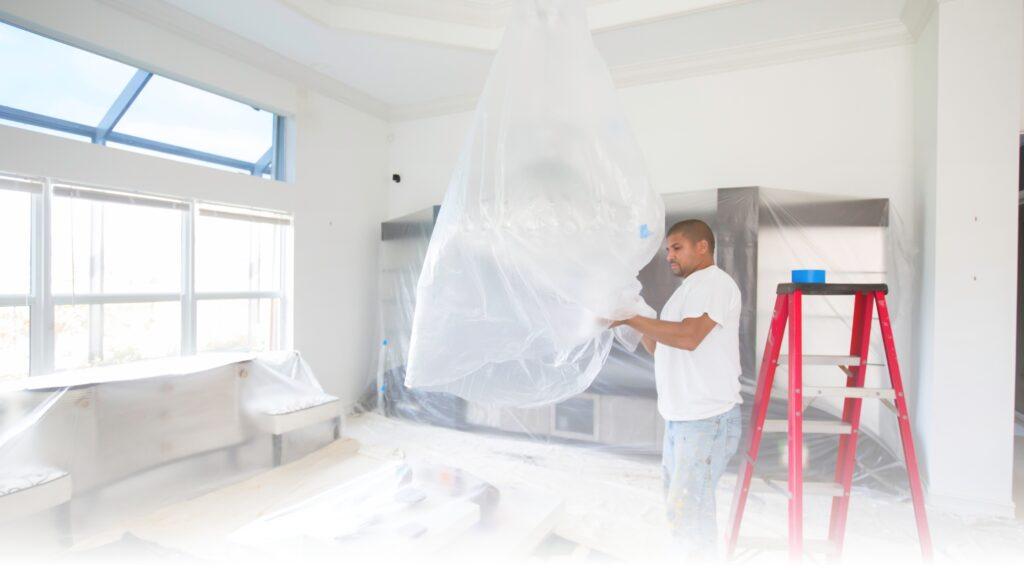
When it's time to refresh your living space with a new coat of paint, you might be faced with a common dilemma: should you paint over the existing paint or go through the process of stripping it away? At Buhle Painting and Decorating, we're here to shed light on this age-old question and help you make an informed decision.
Painting Over Old Paint
PROS
Convenience
One of the most significant advantages of painting over old paint is the convenience it offers. It saves you time and effort compared to stripping, which can be a labor-intensive task.
Cost-Efficient
Painting over old paint is typically more cost-effective since it requires fewer materials and less labor. It's a budget-friendly option for those looking to update their space without breaking the bank.
Suitable for Most Situations
In many cases, painting over existing paint is a viable option, especially if the old paint is in good condition, well-adhered to the surface, and not significantly damaged.
CONS
Surface Imperfections
If the old paint has imperfections like cracks, peeling, or uneven texture, painting over it may not effectively hide these flaws. The new paint may accentuate existing issues.
Color Changes
If you're transitioning from a dark color to a lighter one or vice versa, painting over old paint may require multiple coats to achieve the desired color, which can be time-consuming.
Incompatibility
Certain paint types and finishes may not adhere well to the existing paint. It's essential to ensure compatibility between the old and new paint to prevent adhesion problems.

Stripping Old Paint
PROS
Surface Restoration
Stripping old paint allows you to start with a clean slate, addressing any surface imperfections and achieving a smooth, even finish.
Complete Color Change
Stripping old paint allows you to start with a clean slate, addressing any surface imperfections and achieving a smooth, even finish.
Enhanced Durability
Stripped surfaces provide a strong foundation for paint adhesion, which can lead to a more durable and long-lasting finish.
CONS
Labor-Intensive
Stripping paint can be a time-consuming and physically demanding task, especially for large areas or intricate surfaces.
Potential Health Risks
Depending on the age of the existing paint, it may contain lead or other hazardous materials. Proper safety precautions must be taken when stripping old paint.
Increased Cost
Stripping paint typically requires the purchase of additional materials, such as paint strippers and tools, which can increase the overall project cost.
The Verdict
The decision to paint over old paint or strip it largely depends on the condition of the existing paint, your desired outcome, and your budget. In many cases, painting over old paint is a practical and cost-effective choice, especially when the existing paint is in good condition. However, for a complete transformation, optimal surface preparation, and long-lasting results, stripping old paint may be the preferred option.
At Buhle Painting and Decorating, we have the expertise to assess your specific situation and provide tailored recommendations. Whether you choose to paint over existing paint or opt for stripping, we ensure a meticulous and professional approach to achieve the stunning results you envision for your space. Contact us today to discuss your painting project, and let's bring your vision to life.